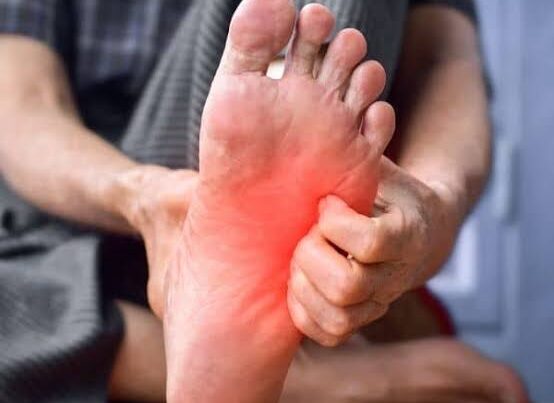


For millions of people worldwide, chronic pain is not just a physical sensation; it is an invisible barrier that dictates how they live, sleep, work, and interact with loved ones. When you are trapped in a cycle of persistent discomfort, it is completely natural to feel overwhelmed, exhausted, and isolated. You might have been told that surgery is your only option, or perhaps you fear that invasive procedures are the inevitable next step.
At Sun Pain Management, we hear your stories every day, and we deeply understand the profound toll that chronic pain takes on your quality of life.
However, we want to offer you a powerful message of hope: surgery is rarely the only path forward. Modern pain medicine has evolved significantly, shifting toward active management – a philosophy that empowers you to become the pilot of your own healing journey. By utilizing scientifically validated, non-invasive strategies, you can effectively train your nervous system, reduce inflammation, and significantly relieve the pain without ever stepping into an operating room.
Here are 10 evidence-based, non-surgical methods to help you regain control and reclaim your vitality.
Advanced Physical Therapy and Targeted Biomechanical Restructuring
When dealing with chronic musculoskeletal pain, movement often feels like the enemy. However, targeted physical therapy (PT) is one of the most powerful, evidence-backed modalities available to relieve the pain at its source.
Unlike passive treatments, a structured PT program focuses on active management. Your physical therapist analyzes your movement patterns to identify biomechanical compensations, muscle imbalances, and joint instabilities that contribute to your discomfort.
A comprehensive review published in The New England Journal of Medicine demonstrated that for conditions such as knee osteoarthritis and lumbar spinal stenosis, structured physical therapy yielded long-term functional outcomes equivalent to those of surgical interventions, without the associated risks or recovery downtime.
- Core Stabilization: Strengthening the transversus abdominis and multifidus muscles to create a natural corset around the spine, relieving pressure on herniated discs.
- Progressive Overload: Gradually increasing tissue tolerance to resistance, which stimulates cellular repair and desensitizes a hyperactive nervous system.
- Manual Therapy: Utilizing joint mobilizations and myofascial release to improve range of motion and reduce localized muscle guarding.
Cognitive Behavioral Therapy (CBT) for Pain Desensitization
To truly understand how to relieve the pain, we must recognize that pain is not merely a localized phenomenon in the tissues—the central nervous system entirely processes it. When pain becomes chronic, the brain’s “alarm system” becomes hypersensitive, amplifying even minor signals.

Cognitive Behavioral Therapy (CBT) is an evidence-based psychological intervention that helps patients reframe their relationship with pain, breaking the debilitating cycle of fear, avoidance, and amplification.
Clinical trials heavily support CBT as a primary treatment for chronic pain. By altering maladaptive thought patterns (such as catastrophizing), CBT structurally rewires neural pathways—a phenomenon known as neuroplasticity.
Through CBT, you learn pacing strategies, cognitive restructuring, and relaxation techniques. This shifts your nervous system out of a chronic “fight-or-flight” (sympathetic) state and into a “rest-and-digest” (parasympathetic) state, effectively lowering the volume of the pain signals reaching your awareness.
Mind-Body Interventions: Mindfulness-Based Stress Reduction (MBSR)
Similar to CBT, Mindfulness-Based Stress Reduction (MBSR) leverages the powerful connection between the mind and the body. Developed at the University of Massachusetts Medical School, MBSR combines mindfulness meditation, body awareness, and gentle yoga to help individuals alter their perception of physical suffering.
How MBSR Works to Relieve the Pain
When you experience chronic pain, the brain frequently scans the body for threats, keeping you in a state of constant hypervigilance. This hypervigilance increases the production of pro-inflammatory cytokines and cortisol, which actually worsens tissue sensitivity.
- Functional MRI (fMRI) Studies: Neuroimaging shows that mindfulness meditation decouples the primary somatosensory cortex (the area of the brain that registers the physical sensation of pain) from the appraisal networks (the area that decides how bad the pain feels).
- The Outcome: You learn to observe the physical sensation of pain without the emotional suffering and panic that typically accompany it, drastically reducing its impact on your daily life.
Low-Impact Aerobic Exercise and Aquatic Therapy
It is a common misconception that resting completely is the best way to relieve the pain. In reality, prolonged immobilization leads to muscle atrophy, joint stiffness, and a decreased threshold for pain. Active management dictates that movement is medicine—specifically, low-impact aerobic exercise.

| Exercise Type | Primary Benefits for Pain Management | Ideal For |
| Aquatic Therapy | Buoyancy eliminates gravitational load on joints; hydrostatic pressure reduces edema. | Severe Osteoarthritis, Fibromyalgia |
| Stationary Cycling | Promotes synovial fluid circulation in the knees and hips without high-impact jarring. | Hip/Knee Pain, Lumbar Stenosis |
| Brisk Walking | Stimulates spinal alignment, improves cardiovascular health, and releases endorphins. | Chronic Low Back Pain |
The Endorphin Effect
When you engage in continuous, low-impact aerobic activity, your body releases endogenous opioid peptides, commonly known as endorphins. These biochemical compounds bind to the opioid receptors in your brain and spinal cord, acting as natural, built-in analgesics that safely and effectively blunt pain perception.
Non-Surgical Interventional Orthopedics & Regenerative Medicine
For patients who require localized medical intervention but wish to avoid the scalpel, the field of interventional orthopedics offers highly precise, image-guided procedures designed to promote healing and reduce inflammation.
Advanced Non-Surgical Options
- Platelet-Rich Plasma (PRP) Therapy: This orthobiologic treatment involves drawing a small sample of your own blood, spinning it in a centrifuge to concentrate the platelets, and injecting it under ultrasound guidance directly into damaged tendons, ligaments, or joints. The growth factors released by the platelets accelerate the body’s natural tissue repair mechanisms.
- Radiofrequency Ablation (RFA): If you suffer from chronic facet joint arthritis in the spine, RFA utilizes thermal energy to temporarily and safely interrupt the nerve pathways (specifically the medial branches) transmitting pain signals from the joints to the brain.
- Epidural Steroid Injections (ESI): For acute radiculopathy (sciatica), a precisely targeted corticosteroid injection can rapidly alleviate severe nerve root inflammation, opening up a window of opportunity for you to actively participate in physical therapy.
Anti-Inflammatory Nutrition and Microbiome Optimization
The food you consume serves as the biochemical foundation for your body’s cellular environment. Chronic systemic inflammation is a major contributor to peripheral sensitization, meaning that an inflamed body experiences pain far more intensely. Adopting an anti-inflammatory dietary pattern is a foundational lifestyle step to relieve the pain.
Dietary Shifts for Pain Suppression
- Omega-3 Fatty Acids: Found in wild-caught salmon, mackerel, walnuts, and flaxseeds, omega-3s compete with arachidonic acid to reduce the production of pro-inflammatory eicosanoids (like PGE2).
- Phytochemicals and Antioxidants: Curcumin (found in turmeric) and epigallocatechin gallate (EGCG, found in green tea) act as natural inhibitors of the NF-kB pathway, a major cellular switch that triggers inflammation.
- Gut Health: Emerging research links gut dysbiosis (an imbalance in gut bacteria) to systemic joint pain and fibromyalgia. A diet rich in diverse dietary fiber, prebiotics, and fermented foods supports a healthy microbiome, which in turn regulates the systemic immune response and lowers pain sensitivity.
Therapeutic Acupuncture and Neuromodulation
Acupuncture, a cornerstone of Traditional Chinese Medicine, has gained widespread acceptance within Western evidence-based medicine due to its demonstrable effects on the central nervous system.
The Mechanism of Neuro-Acupuncture
When sterile, micro-fine needles are inserted into specific anatomical sites (often corresponding to neurovascular bundles or trigger points), they stimulate peripheral nerves.
Clinical Fact: This peripheral stimulation sends signals to the spinal cord and brain, triggering the release of neurotransmitters such as serotonin, norepinephrine, and adenosine. Furthermore, clinical trials have confirmed that acupuncture stimulates the expression of endogenous opioids in the cerebrospinal fluid, providing systematic analgesia to help to relieve the pain of chronic headaches, osteoarthritis, and myofascial pain syndrome.
Optimizing Sleep Architecture and Circadian Biology
There is a bidirectional, deeply intertwined relationship between sleep and chronic pain. A poor night of sleep lowers your pain threshold the following day, while intense pain disrupts your sleep cycle. Breaking this vicious cycle is vital for successful active management.
The Healing Power of Deep Sleep
During Stage 3 and Stage 4 non-REM sleep (deep slow-wave sleep), your body enters its primary anabolic, healing state. The pituitary gland releases high levels of human growth hormone (HGH), which is essential for cellular repair, tissue regeneration, and muscle recovery.

Conversely, chronic sleep deprivation elevates pro-inflammatory markers like Interleukin-6 (IL-6). By prioritizing strict sleep hygiene, optimizing your sleep environment (cool, dark, and quiet), and aligning with your natural circadian rhythm, you naturally suppress systemic inflammation and lower your daily baseline pain levels.
Therapeutic Massage and Myofascial Trigger Point Release
Chronic pain frequently causes secondary complications, such as compensatory muscle guarding. When an area of your body hurts, the surrounding muscles involuntarily contract to shield the perceived injury. Over time, this leads to the formation of painful myofascial trigger points—taut bands of muscle fibers that restrict blood flow and perpetuate localized ischemia.
How Manual Therapy Breaks the Cycle
Targeted medical massage and myofascial release apply sustained, precise pressure to these hyper-irritable spots.
- Restoring Microcirculation: This pressure forces ischemic tissues to release metabolic waste products and allows fresh, oxygenated, nutrient-rich blood to flood back into the muscle fibers.
- Vagal Stimulation: Furthermore, therapeutic touch stimulates mechanoreceptors in the skin and fascia, sending inhibitory signals to the spinal cord (based on the Gate Control Theory of Pain) and activating the vagus nerve to induce profound physical and mental relaxation.
Ergonomic Optimization and Postural Realignment
Many individuals inadvertently exacerbate their chronic pain through daily, repetitive micro-traumas caused by poor ergonomics. Sitting at a poorly configured desk for eight hours a day, using improper lifting mechanics, or craning your neck forward to look at digital screens places massive, uneven mechanical stress on your spine and peripheral joints.
Actively Managing Your Daily Environment
Optimizing your daily ergonomics is a highly effective, long-term strategy to relieve the pain caused by repetitive strain.
- Dynamic Workstations: Transition between sitting and standing every 30 to 45 minutes to encourage continuous joint lubrication and prevent spinal compression.
- The 90-90-90 Rule: Ensure your hips, knees, and elbows are bent at a 90-degree angle while working at your desk, keeping your computer monitor directly at eye level to eliminate forward-head posture (text neck).
- Lumbar Support: Use a supportive cushion that preserves the natural lordotic curve of your lower spine, drastically reducing intra-discal pressure.
Embracing Active Management for a Pain-Free Future
True, lasting recovery from chronic pain rarely comes from a quick fix or a single, passive intervention. Instead, it is cultivated through a dedicated, multifaceted approach focused on active management. Your body possesses an extraordinary, innate capacity to adapt, heal, and desensitize itself from painful stimuli when given the correct physical, chemical, and psychological inputs.
By combining the evidence-based strategies outlined above—from targeted physical therapy and anti-inflammatory nutrition to advanced non-surgical orthopedics—you can build a personalized toolkit that addresses the root causes of your discomfort. You do not have to let pain define your boundaries or rush blindly into an invasive surgery.
At Sun Pain Management, we believe that you are not a passive bystander in your healthcare journey; you are the most critical participant. Take the first step today. Listen to your body, lean into science-backed, non-surgical modalities, and take back the vibrant, active life you truly deserve.