

Living with chronic pain can quietly reshape every part of life. It can make getting out of bed feel exhausting, limit your ability to work, interfere with family time, and slowly take away the activities that once brought joy. For many people, pain becomes more than a physical symptom–it affects emotional well-being, sleep quality, relationships, and overall quality of life.
If you’ve tried medications, physical therapy, exercise, or lifestyle modifications with only temporary relief, you may have started wondering whether there are other treatment options available. This is often the point where many patients hear the term pain intervention.

But what exactly does pain intervention mean? Does it mean surgery? Is it only for severe conditions? How do you know whether it is the right choice for your situation?
The truth is that pain intervention is not about masking symptoms or choosing the most aggressive treatment. Instead, it is about identifying the true source of pain and using targeted, minimally invasive techniques to interrupt pain signals, reduce inflammation, and help patients return to a more active, fulfilling life.
In this guide, we’ll explain what pain intervention is, when it may be appropriate, the conditions it commonly treats, and how a personalized approach can help people living with chronic pain regain control of their lives.
Understanding Pain Intervention: More Than Just Pain Relief
Pain intervention, also known as interventional pain management, is a group of minimally invasive procedures used to diagnose and treat chronic pain conditions. Unlike oral medications that affect the entire body, pain intervention targets the specific nerves, joints, muscles, or tissues responsible for generating pain.
Rather than simply temporarily reducing discomfort, these treatments aim to address the underlying pain pathway. By delivering medication precisely where it is needed or by interrupting abnormal nerve signaling, pain intervention can provide longer-lasting relief while minimizing exposure to systemic medications.
Many people assume pain intervention is only considered after every other treatment has failed. In reality, it often works best as one part of a comprehensive treatment plan that may also include physical rehabilitation, movement therapy, behavioral health support, lifestyle modifications, and patient education.
Pain intervention is not a one-size-fits-all solution. Every patient’s experience with chronic pain is unique. The location of pain, the underlying diagnosis, previous treatments, overall health, and personal goals all play an important role in determining whether an interventional procedure is appropriate.
At its core, pain intervention focuses on helping patients move better, function more comfortably, and participate more fully in everyday life–not simply lowering a pain score.
When Is Pain Intervention the Right Choice?
One of the most common questions patients ask is whether they have reached the point where pain intervention should be considered. The answer depends less on how intense the pain feels and more on how significantly it affects daily life and how well previous treatments have worked.
Pain intervention may be appropriate when pain has persisted for several months despite conservative treatment. If physical therapy, medications, exercise programs, or activity modifications have not provided meaningful improvement, additional evaluation may be beneficial.
Many patients also become candidates when pain begins limiting their ability to work, care for family members, exercise, sleep, or enjoy normal daily activities. Chronic pain that repeatedly interferes with quality of life deserves more than simply increasing medication doses.

Certain medical conditions are particularly responsive to targeted pain intervention. These may include chronic neck pain, lower back pain, herniated discs, spinal stenosis, sciatica, arthritis-related joint pain, sacroiliac joint dysfunction, nerve pain, complex regional pain syndrome, and some persistent pain following surgery or injury.
Pain intervention may also be appropriate when long-term medication use is creating unwanted side effects or no longer provides adequate symptom control. Some patients wish to reduce their reliance on opioid medications while still maintaining an active lifestyle. Carefully selected interventional procedures may help support that goal as part of a broader pain management strategy.
Importantly, choosing pain intervention does not necessarily mean avoiding every other form of treatment. Instead, it often creates an opportunity for patients to participate more comfortably in rehabilitation exercises, strengthen supporting muscles, improve mobility, and continue progressing toward long-term recovery.
Common Types of Pain Intervention and What They Treat
Modern interventional pain management includes a wide variety of procedures. The most appropriate option depends entirely on the underlying cause of pain rather than simply where pain is located.
- One commonly used approach involves epidural steroid injections. These procedures are frequently recommended for patients experiencing nerve irritation caused by herniated discs, spinal stenosis, or sciatica. By reducing inflammation around irritated spinal nerves, many patients experience meaningful improvements in pain and mobility.
- Facet joint injections may be recommended when arthritis or degeneration affects the small joints of the spine. These injections can help determine whether the facet joints are the source of pain while also providing therapeutic relief.
- For patients whose pain originates from specific nerves, nerve blocks may offer both diagnostic and therapeutic benefits. Temporarily interrupting pain signals helps physicians better identify the source of discomfort while providing symptom relief.
- Some individuals with persistent joint pain may benefit from radiofrequency ablation, a procedure that uses controlled heat to interrupt pain-transmitting nerve fibers. While the nerves gradually regenerate over time, many patients experience months of improved function following treatment.
- Patients with sacroiliac joint dysfunction, a frequently overlooked cause of lower back pain, may respond well to targeted SI joint injections designed to reduce inflammation and improve mobility.
- Advanced therapies such as spinal cord stimulation may be considered for carefully selected patients whose chronic pain has not responded adequately to more conservative treatments. These technologies work by modifying how pain signals are processed before they reach the brain.
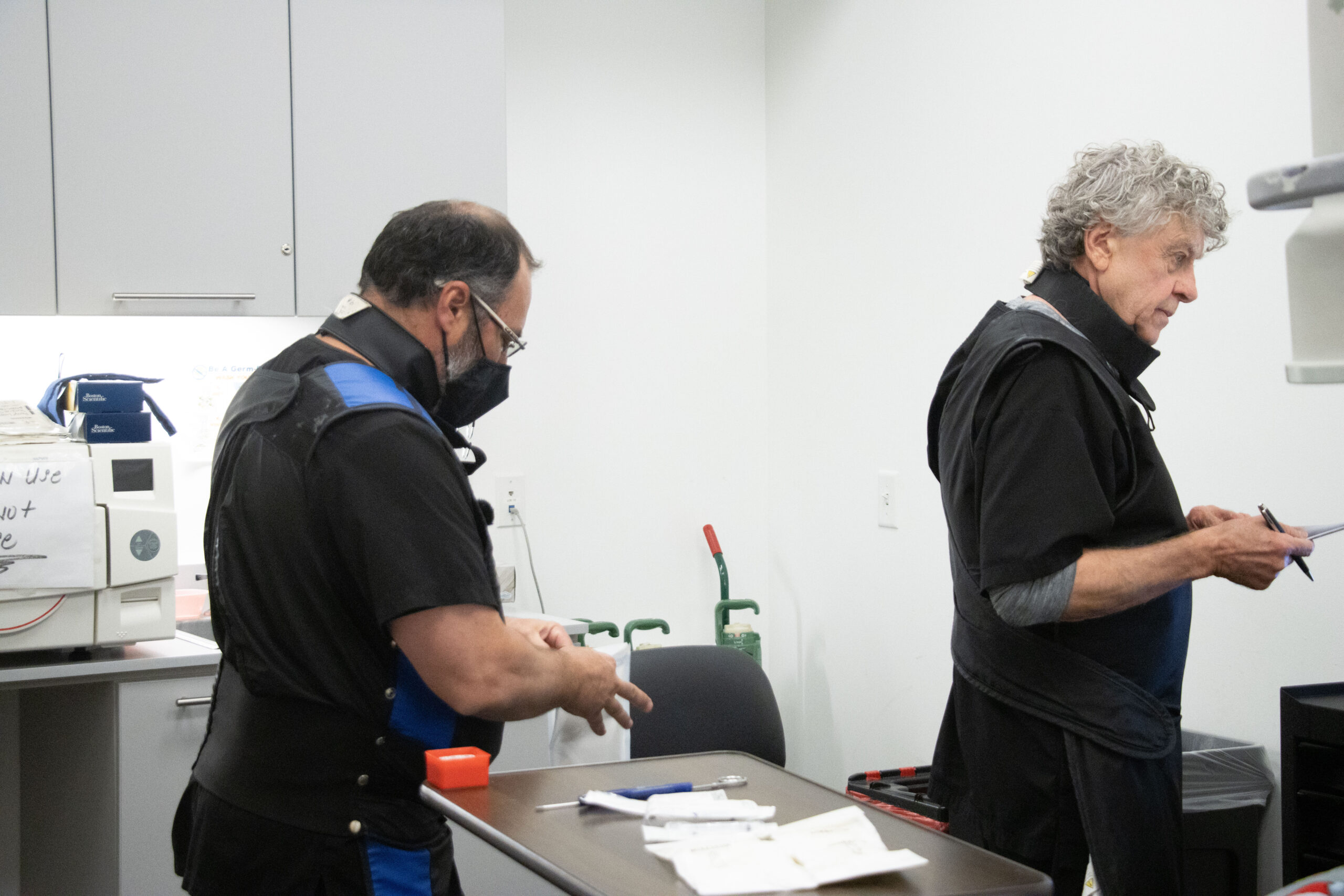
Although these procedures may sound intimidating, most are performed on an outpatient basis using image guidance for accuracy. Recovery is often relatively quick, allowing many patients to resume light activities within a short period of time.
The goal is never to perform procedures simply because they are available. Instead, each intervention should be selected based on careful clinical evaluation, imaging findings when appropriate, and a clear understanding of the patient’s individual needs.
What to Expect Before, During, and After a Pain Intervention Procedure
One of the biggest sources of anxiety surrounding pain intervention is uncertainty. Many patients imagine lengthy hospital stays or major surgery, when in reality most interventional procedures are considerably less invasive. The process typically begins with a comprehensive medical evaluation. Your healthcare provider will review your medical history, previous treatments, imaging studies, current symptoms, physical examination findings, and personal treatment goals.
Rather than focusing solely on where pain hurts, clinicians work to understand why the pain exists. This distinction is important because successful pain intervention depends on identifying the actual pain generator. Once an appropriate procedure has been selected, patients receive detailed instructions about preparation, medications, and what to expect on the day of treatment.
Most procedures use imaging guidance such as fluoroscopy or ultrasound to ensure precise placement of medication or treatment. This accuracy helps maximize effectiveness while reducing unnecessary exposure to surrounding tissues.
Following treatment, some patients notice immediate improvement while others experience gradual relief over several days as inflammation decreases. The timeline varies depending on the procedure performed and the underlying condition.
Pain intervention should rarely be viewed as the final destination in treatment. Instead, reduced pain often creates an opportunity to participate more fully in physical therapy, increase activity levels, improve strength, and rebuild confidence in movement. Long-term success is usually greatest when procedures are combined with rehabilitation, healthy lifestyle habits, stress management, and ongoing communication between patients and their healthcare team.
Benefits, Risks, and Realistic Expectations
Like any medical treatment, pain intervention offers potential benefits as well as limitations. Understanding both helps patients make informed decisions alongside their healthcare providers.
For many individuals, successful pain intervention leads to improved daily function rather than complete elimination of pain. This distinction is important because chronic pain is often complex and influenced by multiple biological, psychological, and social factors. Patients frequently report improvements in walking, sleeping, exercising, working, and participating in family activities. Reduced pain may also decrease reliance on oral medications and improve overall quality of life.
However, outcomes vary depending on the diagnosis, duration of symptoms, overall health, and adherence to rehabilitation recommendations. No procedure can guarantee permanent pain relief, and some patients may require repeat treatments as part of ongoing care.
Although complications are relatively uncommon when procedures are performed by experienced clinicians, every intervention carries some degree of risk. Potential risks may include temporary soreness, bleeding, infection, allergic reactions, or incomplete symptom relief. Your provider will discuss these risks in detail before any procedure is performed. Perhaps the most important expectation is understanding that pain intervention works best as one component of comprehensive chronic pain management–not as a standalone cure.
Why Personalized Care Matters in Chronic Pain Treatment
Chronic pain is rarely caused by a single factor. Two patients with the same MRI findings may experience completely different symptoms, functional limitations, and treatment responses. This is why personalized care remains the foundation of effective pain management.
A thoughtful treatment plan considers not only imaging results but also lifestyle, occupation, emotional health, activity goals, sleep quality, previous treatment experiences, and overall medical history. For some patients, pain intervention may be the missing piece that allows them to progress after months of limited improvement. For others, education, physical therapy, behavioral health support, or medication adjustments may play a more significant role.
The goal is never simply to perform a procedure. The goal is to help each regain independence, confidence, and the ability to participate in the activities that matter most. When treatment decisions are personalized rather than standardized, patients often experience more meaningful and sustainable improvements over time.
Take the Next Step Toward Better Pain Management
Living with chronic pain does not mean you have to accept constant discomfort as your new normal. If pain has continued despite conservative treatment, or if it is preventing you from enjoying daily life, it may be time to explore whether pain intervention is an appropriate option. A comprehensive evaluation can help determine the underlying source of your pain and identify the treatments most likely to support your long-term recovery.
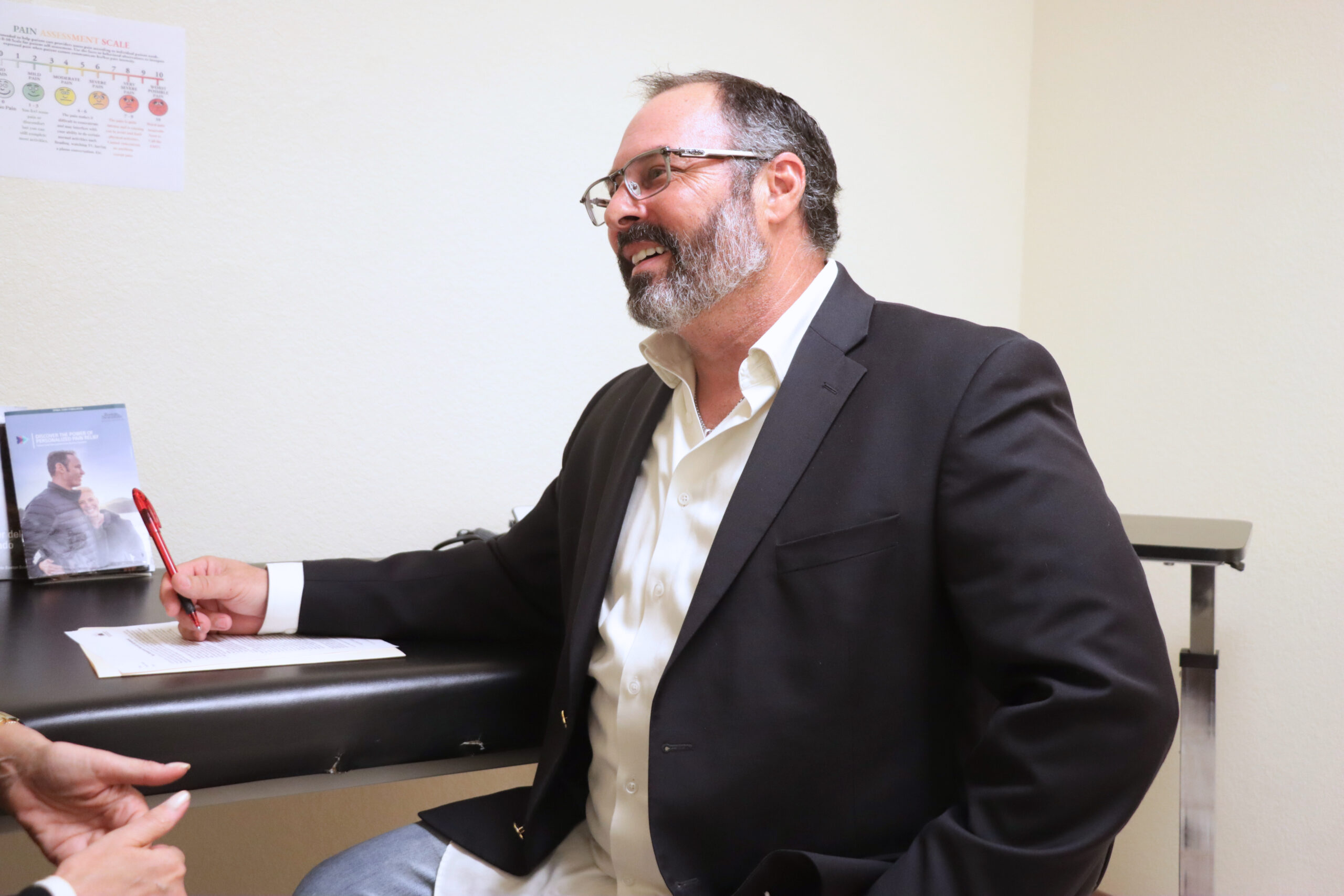
At Sun Pain Management, we believe that effective pain management starts with listening. Every patient deserves a personalized care plan built around their unique needs, goals, and lifestyle. Whether your treatment includes pain intervention, rehabilitation, behavioral health support, or a combination of therapies, our focus is on helping you move more comfortably, function more confidently, and improve your overall quality of life.
You don’t have to face chronic pain alone. The right care begins with understanding your options–and taking the first step toward lasting relief.