


Living with chronic pain can affect nearly every part of your life. Beyond physical discomfort, persistent pain may disrupt your sleep, limit everyday activities, strain relationships, and make it difficult to enjoy things you once loved. Over time, these challenges can also affect your emotional well-being, leading to frustration, anxiety, sadness, or emotional exhaustion.
The connection between chronic pain and mental health is more significant than many people realize. Physical discomfort can contribute to emotional distress, while ongoing stress, anxiety, and depression may influence how the body experiences and responds to pain. This relationship does not mean that chronic pain is imaginary or caused entirely by emotions. Instead, it highlights the importance of addressing both physical symptoms and emotional health as part of a comprehensive treatment plan.
Understanding how these factors interact can help patients make more informed decisions about their care. With appropriate medical treatment, emotional support, and practical coping strategies, individuals living with chronic pain can work toward improving their daily function, confidence, and quality of life.
Understanding the Connection Between Chronic Pain and Mental Health
Chronic pain generally refers to pain that lasts longer than three months. It may develop from conditions such as arthritis, nerve injuries, spinal disorders, or other health problems. In some cases, pain continues even after the original injury has healed, creating lasting challenges that extend beyond the initial physical condition.
Pain is processed through complex interactions between the brain, nervous system, and body. According to the National Institute of Neurological Disorders and Stroke (NINDS), biological, psychological, and social factors can all influence how pain is experienced.
When discomfort persists, the nervous system may become increasingly sensitive to certain signals. Emotional stress, poor sleep, and ongoing worry can sometimes make those signals feel more difficult to manage. At the same time, physical limitations and uncertainty about recovery can contribute to emotional distress.
This relationship can create a challenging cycle: pain affects emotional health, and emotional strain can make coping with pain more difficult. Breaking that cycle often requires a broader approach that considers physical treatment, mental health support, movement, and lifestyle factors together.
How Chronic Pain Affects Emotional Well-Being
The emotional effects of chronic pain often develop gradually. Repeated disruptions to daily routines, reduced independence, and ongoing uncertainty can slowly change how a person feels about their health and future.
Recognizing these effects is important because emotional well-being plays a meaningful role in maintaining motivation, participating in treatment, and managing daily responsibilities.
Chronic Pain and Depression
Persistent pain can make activities that once felt enjoyable or effortless increasingly difficult. When individuals begin avoiding hobbies, social gatherings, or physical activities because of discomfort, they may experience loneliness, frustration, or a reduced sense of independence.

Over time, these limitations may contribute to depression. The relationship between chronic pain and depression can also work in both directions, as depressive symptoms may affect sleep, energy levels, motivation, and the ability to participate in treatment.
Common signs include persistent sadness, loss of interest in activities, changes in appetite, fatigue, difficulty concentrating, and feelings of hopelessness. Because several of these symptoms overlap with chronic pain, a healthcare professional can help determine what may be contributing to them.
Depression should never be considered an unavoidable part of living with chronic pain. Appropriate treatment and emotional support can help individuals address mental health concerns while continuing to manage their physical conditions.
Chronic Pain and Anxiety
For many patients, one of the most challenging aspects of chronic pain is its unpredictability. Not knowing when symptoms will worsen can create constant worry about work, family responsibilities, travel, or even simple everyday activities.
Some individuals become hesitant to move or exercise because they fear triggering another painful episode. Although temporarily modifying activities may sometimes be appropriate, prolonged avoidance can contribute to reduced strength, limited mobility, and lower confidence.
Anxiety can also affect sleep, muscle tension, and concentration, making difficult days feel even more overwhelming.
Learning which activities are safe, understanding personal limitations, and developing realistic treatment goals can help patients feel more confident. Individualized medical guidance and behavioral health support may provide additional tools for managing pain-related anxiety.
Sleep Problems and Emotional Exhaustion
Sleep is essential for physical recovery and emotional stability, yet chronic pain often makes quality rest difficult. Discomfort may prevent individuals from falling asleep, cause frequent nighttime awakenings, or make finding a comfortable sleeping position challenging.
Poor sleep can then contribute to irritability, fatigue, difficulty concentrating, and increased sensitivity to discomfort. When these problems continue, they may affect relationships, productivity, and emotional resilience.
Maintaining consistent sleep habits and developing a relaxing bedtime routine may be helpful. However, persistent sleep problems deserve medical attention, particularly when they significantly interfere with daily functioning.
Improving sleep quality can be an important part of a comprehensive chronic pain management plan.
How Chronic Pain Can Affect Relationships and Daily Life
Chronic pain does not affect only the person experiencing it. Family relationships, friendships, and professional responsibilities may also change when symptoms become persistent.
Activities that once felt simple, such as attending family events, exercising, traveling, or completing household tasks, may require additional planning. Patients sometimes feel guilty about canceling plans or relying on others for assistance.
Because chronic pain is not always visible, friends and family members may have difficulty understanding why someone’s abilities change from one day to another. This misunderstanding can contribute to isolation or emotional frustration.
Open communication can help. Explaining personal limitations, discussing practical support needs, and maintaining social connections through manageable activities can make everyday life feel less overwhelming.
Setting realistic goals is equally important. Progress may involve returning to a favorite hobby, walking more comfortably, or participating in family activities with fewer interruptions rather than eliminating pain completely.
Five Ways to Support Mental Health While Managing Chronic Pain
While chronic pain cannot always be eliminated, there are practical strategies that may help patients manage its emotional impact and improve daily function. The most appropriate approach depends on the individual’s health, diagnosis, and treatment goals.
1. Stay Active With Appropriate Physical Therapy
Physical activity can support strength, flexibility, mobility, and overall well-being. However, exercise should be adapted to each person’s abilities and medical condition.
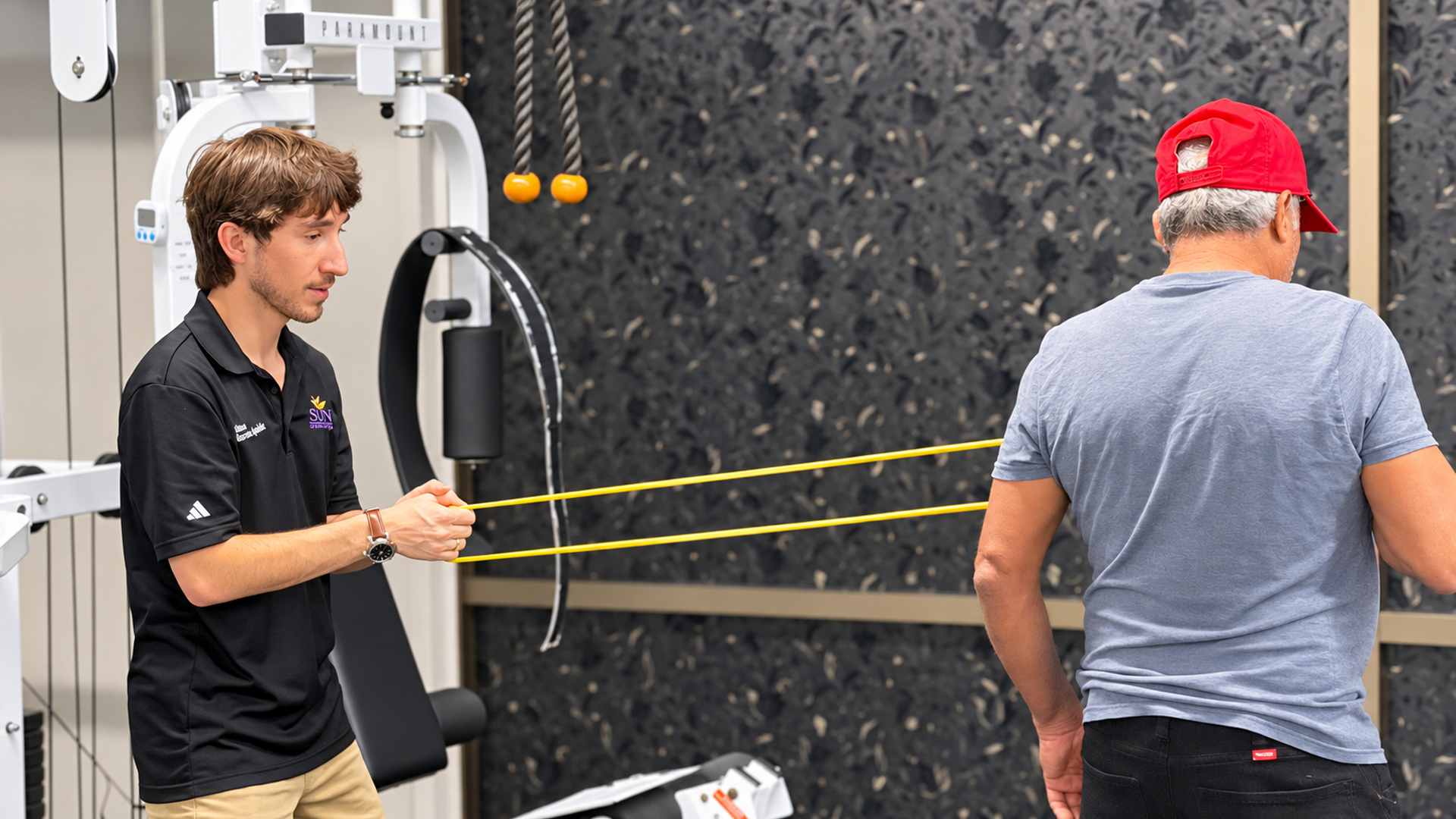
Physical therapy may help patients improve movement patterns, build confidence, and gradually return to meaningful activities. A physical therapist can also provide guidance on pacing and avoiding unnecessary overexertion.
Instead of pushing through severe discomfort or avoiding movement entirely, patients can work toward consistent, manageable activity levels under professional guidance.
2. Explore Behavioral Health Support
Behavioral health treatment can be a valuable part of chronic pain management, especially when pain contributes to anxiety, depression, or difficulties coping with everyday challenges.
Cognitive behavioral therapy (CBT) is one approach that helps patients identify patterns in thoughts, emotions, and behaviors. In chronic pain care, CBT may help individuals develop healthier responses to discomfort, manage stress, and approach daily activities with greater confidence.
Psychological treatment does not mean pain is imaginary. It recognizes that addressing emotional challenges alongside physical symptoms can support a more complete approach to care.
3. Practice Stress Management Techniques
Persistent stress can affect sleep, muscle tension, mood, and the ability to cope with discomfort. Creating opportunities for relaxation may help reduce some of these challenges.
Deep breathing, mindfulness, guided relaxation, and enjoyable low-stress activities are options worth exploring. Some patients also benefit from spending time outdoors, listening to music, or participating in hobbies that do not aggravate their symptoms.
These techniques are not replacements for medical care, but they may complement an individualized treatment plan.
4. Prioritize Rest and Healthy Daily Habits
Consistent daily routines can provide stability when pain symptoms feel unpredictable. Regular sleep schedules, balanced nutrition, appropriate physical activity, and manageable rest periods can support general health.
Activity pacing is particularly useful for some patients. Instead of completing every task during a good day and experiencing increased discomfort afterward, dividing activities into smaller sessions may help create a more sustainable routine.
Patients should also discuss persistent sleep disturbances or significant changes in energy levels with their healthcare providers.
5. Maintain Social Connections and Set Realistic Goals
Social support can make an important difference when managing chronic pain. Staying connected with family, friends, or supportive communities may reduce feelings of isolation and provide encouragement during difficult periods.
It can also help to focus on achievable goals that reflect personal priorities. These might include preparing meals more comfortably, returning to a hobby, or spending additional time with loved ones.
Recognizing functional improvements, even when pain levels fl