


Chronic pain is more than a physical symptom. It affects how you move, sleep, work, and interact with the people around you. For many individuals, it also affects emotional well-being, confidence, and overall quality of life.
Yet too often, people living with persistent pain feel rushed, unheard, or reduced to a number on a pain scale.
At Sun Pain Management, we believe effective pain care starts with something simple but powerful: putting the patient first. But what does a “patient-first approach” actually mean in pain management—and how does it affect your care?
This article explains the philosophy behind our approach and what it means for you as a patient.
1. What Does “Patient-First” Really Mean in Pain Management?
“Patient-first” is more than a phrase. In pain medicine, it reflects a clinical philosophy that guides how decisions are made, how treatment plans are created, and how long-term care is delivered.
Chronic pain is complex. It may involve:
- Musculoskeletal conditions
- Nerve-related pain
- Inflammation
- Previous injuries or surgeries
- Lifestyle and occupational factors
- Emotional and stress-related influences
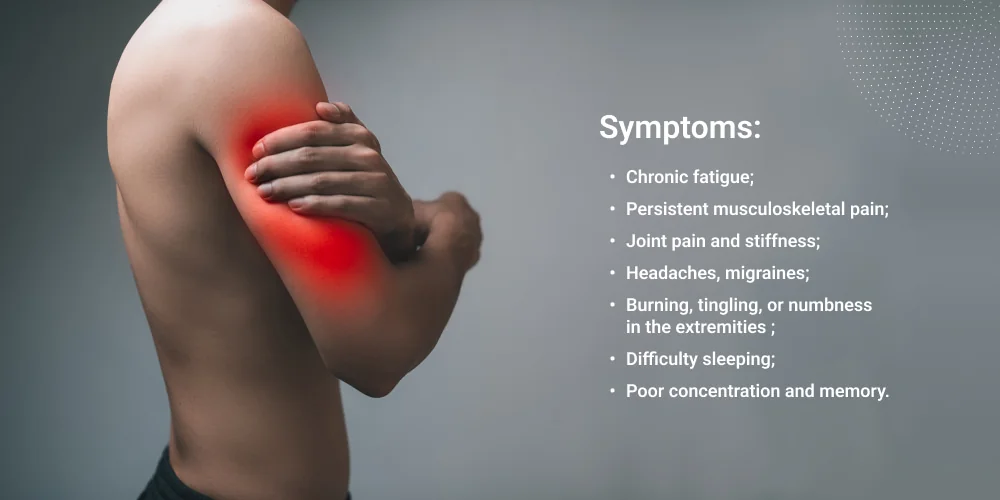
Because pain is both physical and personal, no two patients experience it in the same way. Two individuals with the same diagnosis may report different symptom patterns, functional limitations, and treatment responses. One person may struggle primarily with sleep disruption, while another may be unable to work or participate in family activities. This variability makes a one-size-fits-all treatment model ineffective for long-term results.
A patient-first approach recognizes this complexity. It ensures that your medical history, daily challenges, personal goals, and treatment preferences are central to every step of the care process. Instead of asking only, “How do we reduce pain?” the focus expands to, “How can we improve your function, comfort, and overall quality of life?”
In practical terms, patient-first care means thoughtful evaluation, individualized treatment planning, open communication, and shared decision-making. It is about treating the person living with pain—not just addressing the symptom itself.
2. We Listen Before We Treat
One of the most important foundations of patient-centered care is listening. Before discussing procedures, medications, or interventional options, we prioritize understanding your full experience with pain. Effective treatment does not begin with a prescription—it begins with a conversation. Taking the time to listen allows us to see beyond symptoms and understand how pain fits into the broader context of your life.
Understanding Your Complete Pain History
Pain rarely begins in isolation, and it rarely tells a simple story. During your evaluation, we explore important details such as:
- When your pain first started
- Whether it developed gradually or followed a specific injury or event
- How the intensity, frequency, or location of pain has changed over time
- Previous treatments you have tried, including medications, physical therapy, or procedures
- What has provided relief—and what has not
- How pain currently affects your daily activities and independence
This comprehensive review helps us identify patterns, potential underlying causes, and factors that may influence your response to treatment. Rather than making decisions based on a brief description or a single imaging result, we build a clearer clinical picture through careful discussion.
Recognizing the Emotional and Lifestyle Impact
Chronic pain often extends far beyond physical discomfort. It can disrupt sleep, reduce productivity at work, limit participation in family responsibilities, and make routine physical activity difficult. Over time, persistent pain may also affect mood, stress levels, and emotional resilience.
By acknowledging these broader impacts, we approach care more holistically. Pain management is not only about lowering discomfort—it is about restoring function, rebuilding confidence, and improving overall quality of life. Listening carefully allows us to tailor care in a way that reflects your lived experience, not just your diagnosis.
3. Personalized, Not One-Size-Fits-All Treatment Plans
A core principle of our patient-first philosophy is individualized treatment planning. Chronic pain does not follow a predictable formula, and neither should its treatment. Rather than applying a standardized protocol to every patient, we design care plans that reflect your unique medical profile and personal goals.
Each treatment plan is thoughtfully developed based on several important factors, including:
- Your specific diagnosis
- The underlying cause and mechanisms contributing to your pain
- Your functional goals, such as returning to work or improving mobility
- Your overall medical history and existing health conditions
- Your comfort level with various treatment options
For some individuals, interventional procedures may be an appropriate part of care. Others may benefit more from conservative strategies such as medication management, physical rehabilitation, or lifestyle modifications. Many patients require a combination of approaches that evolve over time as their condition and goals change.
By tailoring treatment to the individual, we strive to ensure that care is not only clinically appropriate, but also realistic, balanced, and aligned with what matters most to you.
4. Collaborative Decision-Making
Pain management should never feel like something that is done to you. Instead, it should be something developed with you. In a patient-first model, decision-making is collaborative.
This means:
- Explaining recommended treatments clearly
- Discussing potential benefits and risks
- Answering questions thoroughly
- Respecting your preferences and concerns
We encourage open dialogue because informed patients are empowered patients. Understanding your options helps you make decisions with confidence.
5. Focus on Function, Not Just Pain Scores
Pain is often measured using a numerical scale. While this can be helpful, numbers alone do not tell the full story. For many individuals, the goal is not simply lowering a pain score—it is improving function.
A patient-first approach prioritizes outcomes such as:
- Walking more comfortably
- Returning to work
- Sleeping through the night
- Participating in family activities
- Regaining independence
By focusing on meaningful improvements in daily life, care becomes centered on what matters most to you.
6. Emphasis on Safety and Thoughtful Care
Safety is fundamental in pain management. Chronic pain treatment often involves procedures, medications, or interventional techniques that require careful evaluation.

Our approach emphasizes:
- Thorough diagnostic assessments
- Evidence-informed treatment recommendations
- Clear explanations of risks and expectations
- Monitoring and follow-up when needed
Every treatment decision is made with careful consideration of both short-term relief and long-term well-being.
7. Long-Term Partnership, Not Quick Fixes
Chronic pain is rarely resolved overnight. Managing it effectively often requires ongoing evaluation and adjustment. A patient-first approach views care as a partnership.
This includes:
- Regular follow-up visits
- Monitoring progress
- Adjusting treatment plans when necessary
- Reassessing goals over time
As your condition evolves, your care plan may evolve as well. Our goal is to provide continuity and support throughout that process.
8. The Difference Between Treating Pain and Treating the Person
There is an important distinction between treating a symptom and treating a person. Treating pain alone may focus narrowly on reducing discomfort. Treating the person considers:
- Physical health
- Mental well-being
- Lifestyle demands
- Long-term functional goals
This broader perspective allows for more comprehensive care. Chronic pain does not exist in isolation. It interacts with many aspects of life. Recognizing this complexity is essential for effective management.
9. Why Care Philosophy Matters in Chronic Pain
You may wonder why philosophy matters at all—shouldn’t results be the only priority? In reality, care philosophy shapes outcomes in meaningful ways. When patients feel heard and respected, they are more likely to:
- Engage actively in their treatment
- Follow recommended plans
- Communicate openly about changes or concerns
- Maintain realistic expectations
Trust and communication are essential components of successful pain management. A patient-first philosophy helps build that foundation.
10. What You Can Expect From a Patient-First Experience
When you choose a clinic guided by patient-centered principles, you can expect:
- Thorough evaluation rather than rushed appointments
- Clear explanations of your condition
- Individualized treatment planning
- Opportunities to ask questions
- Ongoing support and reassessment
Every step of care is structured to reflect your needs and priorities.
11. Empowering Patients Through Education
Education is another important component of patient-first care. Understanding your condition helps you make informed decisions and reduces uncertainty. During visits, we prioritize explaining:
- The likely causes of your pain
- Why certain treatments are recommended
- What realistic outcomes may look like
- How lifestyle factors can influence symptoms
Knowledge empowers patients to participate actively in their own care.
12. When to Consider a Patient-Centered Pain Clinic
If you are living with ongoing pain and feel that your concerns have not been fully addressed, it may be time to explore a clinic that emphasizes individualized care. Persistent pain that interferes with daily activities, sleep, or work deserves careful evaluation. A comprehensive approach may provide clarity and direction when previous efforts have fallen short.
Pain management is not just about procedures or prescriptions. It is about understanding the person behind the pain.
At Sun Pain Management, our patient-first philosophy guides every aspect of care—from listening and evaluation to treatment planning and long-term follow-up. Chronic pain is complex, but care does not have to feel impersonal or overwhelming. By focusing on individualized treatment, collaborative decision-making, safety, and compassion, we strive to support each patient with thoughtful and respectful care.
If you are seeking a pain management team that prioritizes your experience, your goals, and your long-term well-being, our approach is designed with you in mind.