

When Pain Becomes Your Whole World
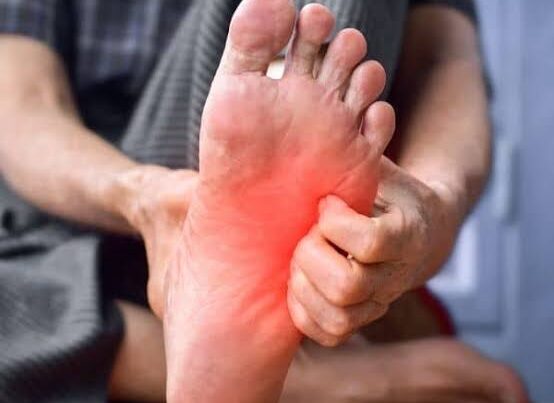
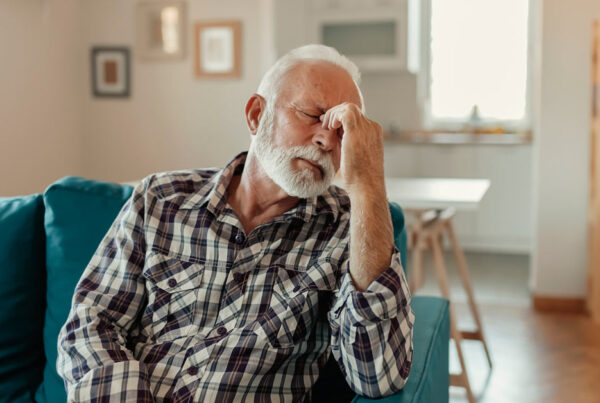
For someone who has never experienced it, chronic pain may sound like a simple problem an ache that refuses to go away. But for those living with it, pain becomes something much larger.
It quietly reshapes daily life. It steals time, limits movement, and slowly chips away at independence. Over time, many people say they have “learned to live with the pain.”
But in reality, they are not living with it. They are living around it. They begin avoiding certain movements, activities, and social situations to prevent flare-ups. Life becomes a series of careful calculations designed to reduce discomfort. What once felt normal gradually becomes restricted.
The goal of treatment, then, is not just to reduce pain. The goal is to help patients reclaim their lives.
What It Means to “Live Around Pain”
Living around pain is more than a physical condition — it is also psychological.
Each day begins with a quiet evaluation of the body. How stiff is my back today? Can I stand long enough to cook? Will driving make my hip worse? Should I cancel plans just in case the pain returns?
These constant calculations drain mental energy. Over time, everyday decisions revolve around avoiding discomfort. Eventually, the social effects appear. Invitations are declined more often. Activities become limited. Friends and family begin to associate you with your condition.
Your world slowly shrinks. Perhaps the most difficult loss is the loss of identity. Many people define themselves by what they do:
“I’m a runner.”
“I’m a gardener.”
“I’m the grandparent who plays with my grandkids.”
When pain takes those roles away, it does more than restrict movement. It changes how people see themselves.
Amelia’s Story: When Pain Puts Life on Hold
Amelia, a 64-year-old retired teacher, had been living with lumbar spinal stenosis and degenerative disc disease for nearly seven years.
Losing the Garden She Loved
For decades, Amelia’s backyard garden had been her sanctuary. She spent countless hours caring for her roses and growing heirloom tomatoes. But gradually, sciatica made kneeling impossible. Even bending to reach a flower bed could trigger painful spasms that left her bedridden for days.
She tried to adapt. Raised planters. Long-handled tools. Shorter gardening sessions. Eventually, the garden became overgrown. Every time she looked out the window, she saw a reminder of what she could no longer do.
The “Grandchild Barrier”
Even harder than losing gardening was the emotional impact on family life. Amelia has two grandsons, ages three and five. At one family gathering, the older child ran toward her with open arms. Her instinct was not to hug him — it was to stop him.
She raised her hands, afraid the impact might trigger a pain flare. Seeing confusion on his face was heartbreaking.
“I was a grandmother who couldn’t be a grandmother,” she said.
The Trap of “Just Rest”
Previously, Amelia had been told the same advice many chronic pain patients hear: rest when it hurts. But long periods of rest weakened her muscles. That weakness created more instability, which led to more pain. She had become trapped in the chronic pain cycle.
When Amelia first visited our clinic, her goal was simple:
“I just want the pain to stop.”
But our goal was bigger. We told her:
“We’re not just treating pain. We’re restoring function.”
Why the Pain Scale Doesn’t Tell the Whole Story
Many clinics measure progress using the familiar 0–10 pain scale.
If pain decreases from an 8 to a 4, treatment is considered successful. But if someone still cannot garden, play with grandchildren, or walk comfortably, is that truly recovery?
At Sun Pain Management, we focus on functional milestones, including:
Tolerance – Standing or walking longer without needing to stop.
Confidence – Moving without fear of triggering pain.
Resilience – Recovering quickly if flare-ups occur.
Joy – Returning to activities that bring fulfillment.
Real recovery is measured by what patients can do again, not just by a number.
The Process of Getting Life Back
Recovery rarely comes from a single treatment. It is a structured process designed to rebuild strength, stability, and confidence.
Phase 1: Calming the Protective Reflex
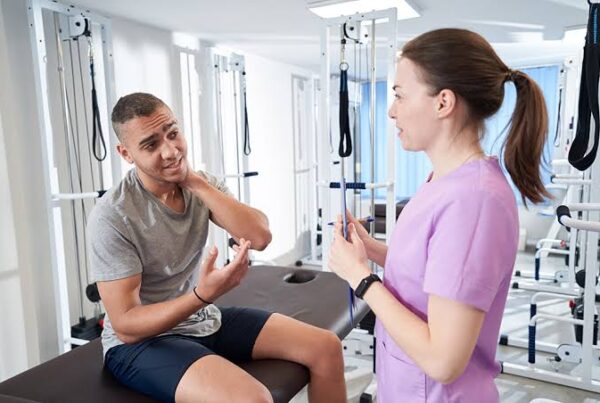
When someone has lived with pain for years, the body develops protective habits. Muscles remain tense and movement becomes stiff as the nervous system tries to prevent injury. Through gentle movement therapy, spinal decompression, and neuromuscular retraining, we helped Amelia’s body relearn that movement could be safe.
Gradually, her posture relaxed and her movements became more natural.
Phase 2: Rebuilding Strength and Stability
Once pain was under better control, the next step was strengthening the muscles that support the spine. Rather than using generic exercises, we focused on movements that mirrored real life: kneeling, reaching, bending, and standing from low positions.
Each exercise connected rehabilitation with Amelia’s real goal — returning to her garden.
Phase 3: Restoring Confidence
Chronic pain often leaves the nervous system overly sensitive. Even normal movements may feel threatening. By gradually increasing activity levels and reintroducing movement safely, Amelia began to trust her body again.
That trust is one of the most powerful milestones in recovery.
What Recovery Really Looks Like
Recovery rarely happens in a dramatic moment. Instead, it appears through small victories.
About a month into treatment, Amelia shared something that seemed ordinary but meant everything to her. She had walked through an entire grocery store without leaning on the cart for support. For years, the cart had acted like a walker. That day, she reached the car and realized she had not checked her pain level even once.
Her mind was focused on groceries, not discomfort. Three months later, she sent us a photo of her hands covered in soil, holding a gardening trowel. She had spent two hours tending her roses.
“I was tired,” she said. “But it was a good tired.”
Then came the moment that defined her recovery. At her grandson’s birthday party, he ran toward her with open arms. Instead of bracing or stepping back, Amelia crouched down and lifted him.
For the first time in years, she wasn’t thinking about pain. She was simply Grandma again.
Recovery Looks Different for Everyone
Amelia’s story centers on gardening and family. But every patient’s goals are different.
For some people, recovery means:
• Running again after a knee injury
• Sitting through a long work meeting comfortably
• Traveling without fear of pain
• Returning to sports or hobbies
Whatever the goal, the path to recovery rests on four key principles.
Movement Is Medicine
Prolonged rest often worsens chronic pain. Controlled, guided movement helps restore strength, flexibility, and healthy joint function.
Education Builds Confidence
Understanding how pain works reduces fear and empowers patients to move again.
Technology Supports Recovery
Advanced treatments such as spinal decompression or laser therapy can reduce inflammation and create a window for rehabilitation.
Long-Term Resilience
Recovery is not about quick fixes. It is about building a stronger body that supports a full life for decades.
Why “Managing Pain” Isn’t Enough
Many clinics focus on pain management — controlling symptoms while accepting that pain will always remain. Functional restoration takes a different approach. Instead of asking, “How can we hide the symptom?”
We ask – “How can we help you return to what you love?”
A life free of activity but low on pain is not true recovery. Real success is living fully again.
Your Story Can Change
If you feel like you are currently living around pain, it is important to know that your world does not have to stay this small. Chronic pain has a way of shrinking life — limiting movement, canceling plans, and slowly reducing confidence. But recovery is not just about reducing pain. It is about expanding life again.
For Amelia, that meant tending her rose garden and lifting her grandchildren without fear. Your version of recovery may look different. It might be travel, sports, work, or simply waking up without dread. Whatever it is, it matters.
Take the First Step Toward Recovery
Waiting for pain to disappear on its own often leads to more limitation. Real recovery requires guidance, structure, and a personalized plan.
At Sun Pain Management, our focus is not just on reducing pain numbers — it is on restoring strength, movement, and confidence. Schedule a comprehensive evaluation today and begin rebuilding the life you want to live. In many ways, it may just be beginning.