


Understanding a Pain Flare-Up
Living with chronic pain rarely means experiencing the exact same level of discomfort every day. Symptoms may settle into a familiar range for a while and then suddenly become more intense. You may notice stronger aching, burning, stiffness, sensitivity, fatigue, or difficulty completing activities that usually feel manageable. This temporary increase is often described as a pain flare-up, or chronic pain flare.
A pain flare-up is more than a small moment-to-moment change. It is a noticeable worsening that feels difficult to tolerate or disrupts usual activities, sleep, concentration, mood, or confidence. A flare may last for hours, days, or sometimes longer. Its intensity and duration vary from person to person, and even two flares in the same person may feel different.
For many patients, the uncertainty can be as distressing as the pain itself. A sudden increase may raise fears that an old injury has returned, arthritis has rapidly progressed, or treatment has stopped working. Those concerns are understandable. Pain is designed to attract attention, so a stronger signal naturally feels alarming. However, the intensity of pain does not always provide a direct measure of tissue damage or disease progression.

Chronic pain is influenced by a combination of biological, psychological, and social factors. The nervous system, muscles and joints, immune activity, sleep, stress, emotions, environment, and previous experiences can all affect how pain is processed. During a flare, this system may become more protective and responsive. Movements, positions, or sensations that were tolerable last week may feel more threatening today, even without a new injury.
Common contributors include doing substantially more activity than usual, prolonged inactivity, disrupted sleep, emotional stress, illness, travel, changes in routine, or repeated physical demands. Weather changes or hormonal shifts may also be relevant for some people. Sometimes there is no obvious trigger. Not finding a cause does not mean the flare is imaginary, and it does not mean you failed to manage your condition correctly.
Does a Chronic Pain Flare Mean the Condition Is Getting Worse?
In many cases, a chronic pain flare does not automatically mean the underlying condition is worsening. Symptoms can fluctuate while the physical condition remains relatively stable. This distinction matters because assuming that every increase signals damage may lead to fear, prolonged rest, avoidance of movement, and loss of confidence. Over time, that response can reduce strength and tolerance and make everyday activity feel even harder.
The relationship between pain and tissue condition is complex. Pain can increase when the nervous system becomes more sensitive, when sleep has been poor, when stress is high, or when the body has been exposed to an unfamiliar level of activity. For persistent back pain, for example, pain education resources emphasize that a flare does not necessarily mean a person is damaging the spine. The same principle can apply to many chronic pain experiences, although the cause and risks must always be considered individually.
A flare can still contain useful information. It may show that the pace or type of an activity needs adjusting, that recovery time has been inadequate, or that another health factor is affecting symptoms. If flares repeatedly follow a “boom-and-bust” pattern–doing as much as possible on a better day, followed by several difficult days–the issue may be the size of the activity change rather than the activity itself. A steadier approach can help the body build tolerance more gradually.
At the same time, it is important not to dismiss every change as “just a flare.” A new injury, infection, inflammatory episode, medication issue, or progression of a health condition can also cause worsening pain. Pay attention to how the current episode compares with your usual pattern. Is the pain in a new location? Does it feel different? Are there new neurological symptoms, fever, swelling, unexplained weight loss, or changes in bladder or bowel control? Has the pain continued to intensify rather than beginning to settle?
Your personal baseline is an important reference point. A familiar temporary increase after a known trigger may be managed differently from pain that is new, severe, rapidly worsening, or accompanied by other concerning symptoms. When you are uncertain, a healthcare provider can help assess whether the change fits your established condition or requires further evaluation.
How to Respond to a Pain Flare-Up
When a pain flare-up begins, the goal is not to force the pain away immediately or to prove that you can ignore it. The goal is to reduce distress, protect essential function, and help your system settle while watching for signs that need medical attention. A calm, flexible plan prepared in advance can be easier to follow than making decisions in the middle of a difficult episode.
Start by acknowledging what is happening without blaming yourself. A flare can be frustrating, especially when you have been making progress, but it does not erase that progress. Consider what changed in the previous day or two: activity, sleep, stress, work demands, medication, illness, or routine. This brief review is meant to identify patterns, not to find fault.
Adjust activity rather than stopping completely, unless a clinician has advised rest for a specific acute problem. Break necessary tasks into smaller portions, add short recovery periods, and choose gentler versions of movements that remain tolerable. Prolonged bed rest can contribute to stiffness, deconditioning, and greater difficulty returning to normal activity. Gentle movement, comfortable position changes, and gradual re-engagement are often more helpful than alternating between overexertion and complete inactivity.

Use the strategies already included in your care plan. These may include prescribed medication taken exactly as directed, heat or cold when appropriate for your condition, relaxation or paced breathing, distraction, mindfulness, or a home exercise program modified for flare days. Do not increase medication doses, combine medicines, or use someone else’s medication without professional guidance. If your usual treatment is no longer helping, contact the clinician who manages it.
Pacing is especially useful beyond the immediate flare. Instead of using pain alone to decide when to stop, plan manageable amounts of activity and rest before symptoms become overwhelming. A consistent baseline may include household tasks, work, walking, exercise, and restorative activities. As tolerance improves, increase one element gradually. This approach can reduce the dramatic swings between doing too much and then needing extended recovery.
A simple flare plan can include your early warning signs, likely triggers, helpful strategies, medication instructions, people to contact, and reasons to seek urgent care. Tracking a few details–what preceded the flare, how long it lasted, what helped, and how function changed–may reveal useful patterns. Avoid monitoring every sensation so closely that it increases worry. The purpose is to support decisions and conversations with your care team.
Self-compassion also has a practical role. Pain can narrow attention and make the future feel uncertain. Reminding yourself that flares can settle, using supportive language, and focusing on the next manageable action may reduce the stress surrounding the episode. This does not mean the pain is psychological. It means the body and nervous system respond to both physical and emotional context, and both deserve care.
When a Pain Flare Needs Professional Attention
Contact a healthcare provider when a chronic pain flare is unusually intense, lasts longer than expected, occurs more frequently, or continues to interfere with sleep, mobility, work, or self-care despite your usual management plan. An assessment may be helpful if the pattern has changed, you are unsure about medication, or fear of pain is causing you to avoid important activities. Your provider can review possible triggers, examine for new problems, and update your treatment or flare plan.
Seek urgent medical care for severe pain after a significant injury; new weakness or loss of coordination; sudden numbness, especially around the groin or saddle area; loss of bladder or bowel control; chest pain; trouble breathing; fainting; confusion; fever with severe pain; a hot, red, markedly swollen joint; or other rapidly developing symptoms. These signs are not typical features to manage solely with a routine chronic pain flare plan.
An effective evaluation looks beyond a pain score. Your clinician may ask where and how the pain changed, what happened before it began, which movements affect it, whether sleep or stress has shifted, and how the episode affects function. Depending on your symptoms and medical history, the next step may involve examination, medication review, rehabilitation, diagnostic testing, or coordination with another specialist. Imaging is useful in selected situations, but it is not automatically needed for every familiar flare.
If you live with recurring flares, you do not have to wait until the next one becomes overwhelming to ask for help. A personalized plan can clarify what is safe to manage at home, which strategies fit your diagnosis, and what changes should prompt a call. It can also support active management between episodes by addressing movement, sleep, stress, physical conditioning, and realistic goals.
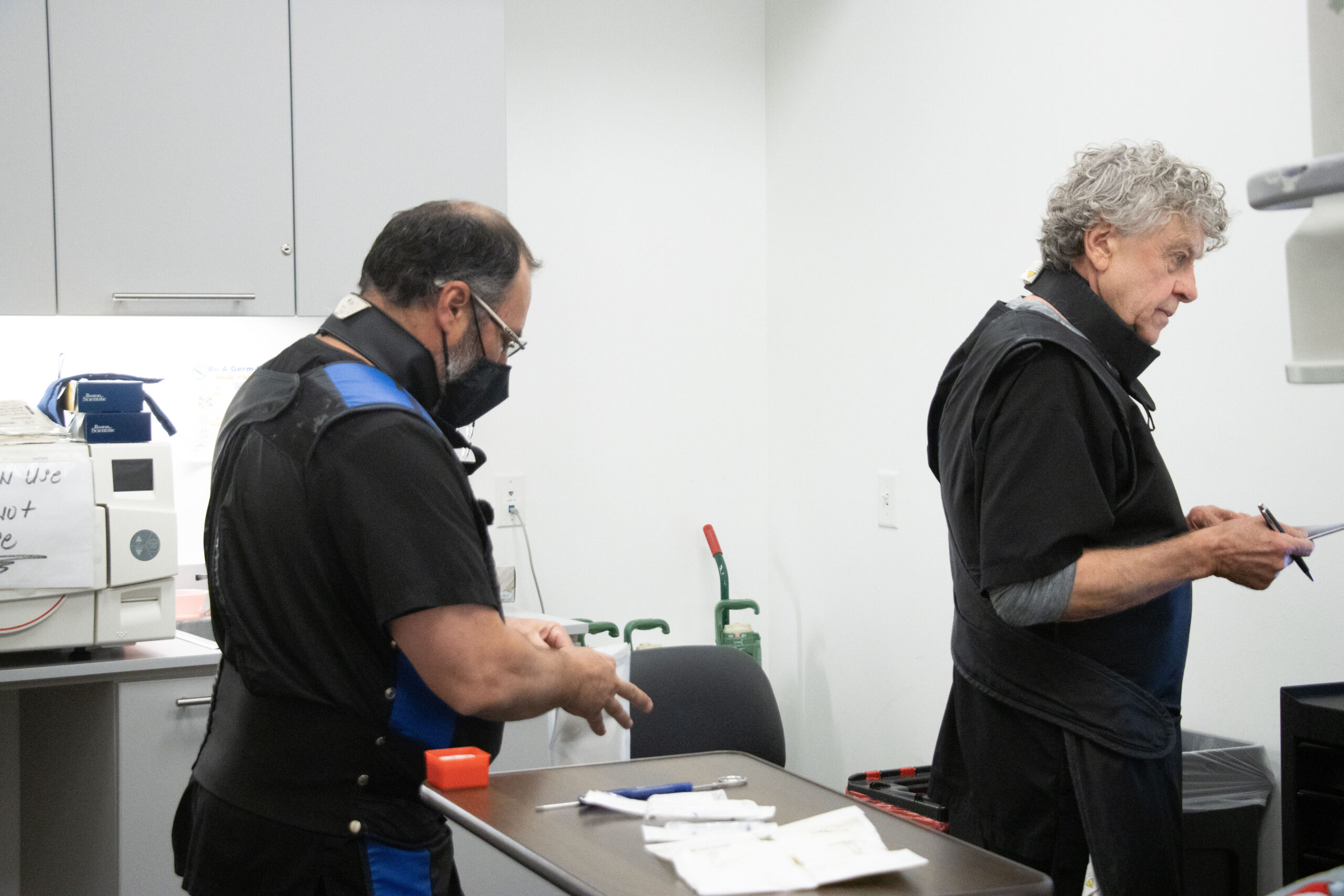
At Sun Pain Management, we understand how unsettling it can be when familiar pain suddenly becomes harder to control. Our team can evaluate changes in your symptoms, consider the factors contributing to your chronic pain flare, and help you identify appropriate next steps. If pain is becoming more frequent, more disruptive, or different from your usual experience, schedule an appointment with Sun Pain Management for a personalized assessment.
A flare-up can be difficult without representing failure or inevitable decline. With careful attention to new symptoms, a flexible response plan, and support from your healthcare team, you can respond to changes with greater clarity and confidence.