

Why Standard Physical Therapy Often Falls Short
If you are dealing with long-term pain or recovering from surgery, you may have already realized that not all physical therapy is created equal. Many patients begin with a general physical therapy clinic, expecting structured guidance and measurable improvement, only to find that progress plateaus or symptoms persist longer than expected.
The reason is simple: most physical therapy models are built for predictable cases. Minor injuries, acute strains, and routine orthopedic conditions tend to follow a standard healing curve. These cases respond well to general protocols and short-term treatment plans.
Chronic pain and post-surgical recovery do not follow that pattern. Chronic pain alters how the nervous system processes signals, often making the body more sensitive and reactive. Meanwhile, surgical recovery—especially after procedures involving the spine, joints, or complex repairs—requires careful coordination between healing tissues, movement patterns, and progressive loading.
At Sun Pain Management, physical therapy is designed specifically for these complexities. Instead of adapting generalized protocols, each program is built from the ground up to reflect the patient’s condition, history, and long-term goals. This level of precision is what allows patients to move beyond temporary relief and toward meaningful recovery.
Understanding Chronic Pain and Its Impact on the Body
Chronic pain is often misunderstood as simply pain that lasts longer than expected. In reality, it is a condition that reshapes how the body functions. When pain persists for months or years, the nervous system becomes sensitized. This means that pain signals are amplified, and even normal movement can feel uncomfortable or threatening.
Over time, the body begins to adapt in ways that are not always helpful. Muscles tighten to protect certain areas, leading to stiffness and reduced mobility. Movement patterns change as the body compensates, often placing stress on other joints and tissues. Activities that were once effortless—such as walking, bending, or even sitting—can become calculated and cautious.
This is why standard physical therapy approaches may fall short. Programs that rely on pushing through pain or following rigid exercise progressions often fail to address the underlying neurological component of chronic pain. In some cases, they can even reinforce the cycle of discomfort.
A more effective approach recognizes that chronic pain is both a physical and neurological experience. Treatment must address not only the tissues involved, but also how the nervous system responds to movement and stress.
A Different Approach to Chronic Pain Physical Therapy
At Sun Pain Management, the approach to chronic pain is built on the principle of individualized progression. Instead of using pain as a measure of success or failure, therapy is structured around what your body can tolerate at a given moment. This concept, often referred to as pacing, allows for gradual expansion of movement without triggering flare-ups.
Each session is designed to build confidence as much as it builds strength. Patients are guided through movements that feel manageable, with careful adjustments over time to increase capacity. This creates a more sustainable path to recovery, where progress is steady rather than inconsistent.

Education is also a central part of the process. Understanding why pain behaves the way it does can significantly reduce fear and improve outcomes. When patients learn how the nervous system influences their symptoms, they are better equipped to engage in therapy and manage their condition outside of the clinic.
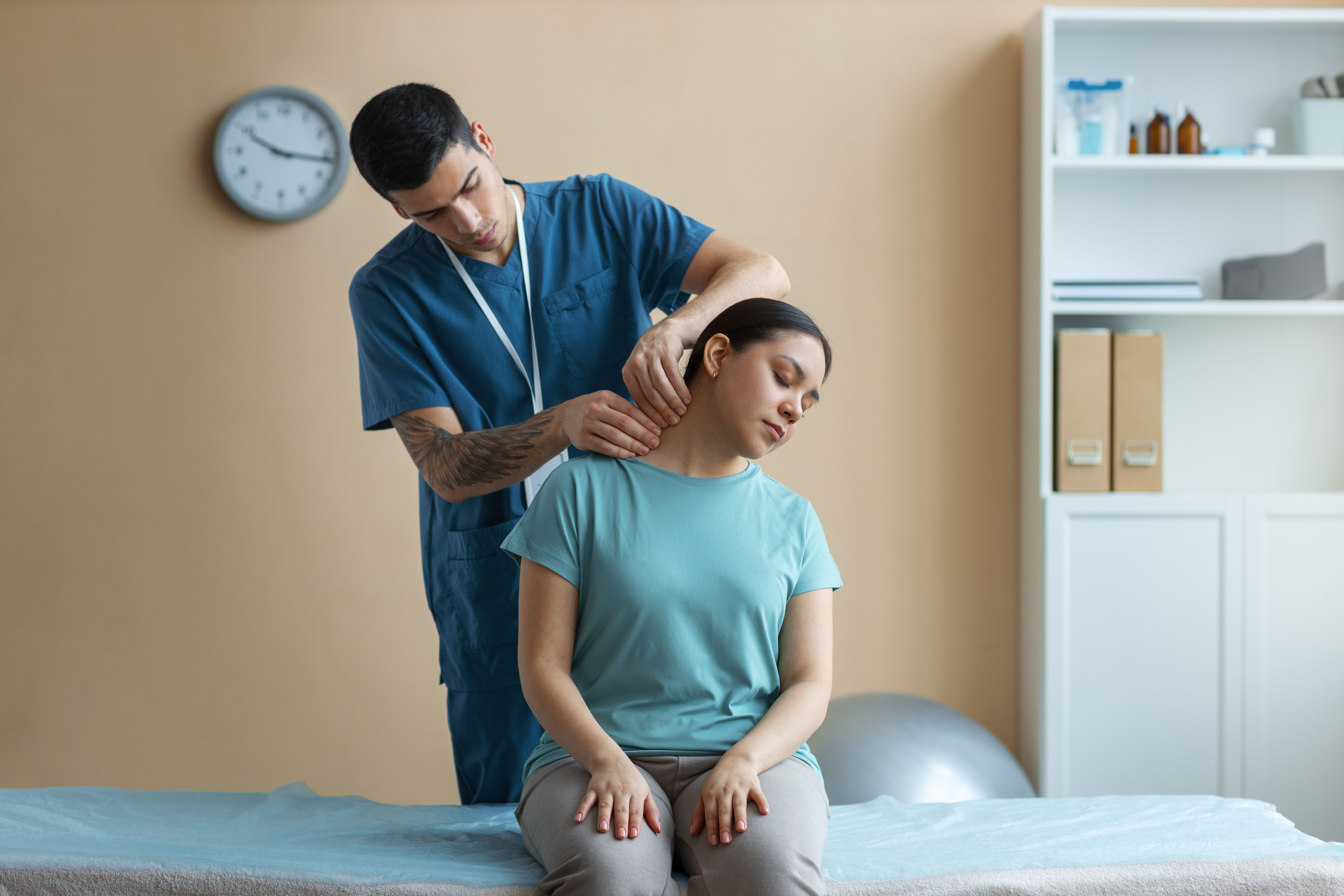
Treatment may involve a combination of hands-on techniques and targeted exercises. Manual therapy is used to address joint stiffness and soft tissue restrictions, while dry needling can help release persistent muscle tension and influence pain pathways. Neuromuscular re-education focuses on restoring efficient movement patterns, helping the body move more naturally and with less strain.
In addition, progressive exercise is introduced at a pace that aligns with the patient’s tolerance. Rather than overwhelming the system, each step builds on the previous one, allowing the body to adapt gradually. For certain chronic conditions, advanced treatments such as shockwave therapy may be incorporated to address stubborn tendon or soft tissue issues.
The ultimate goal is not just to reduce pain temporarily, but to create a new baseline where the body functions more efficiently and pain no longer dominates daily life.
The Role of Physical Therapy in Post-Surgical Recovery
Surgery is often a necessary step to address structural issues, but it is only part of the recovery process. What happens after surgery plays a significant role in determining long-term outcomes. Without proper rehabilitation, patients may struggle with stiffness, weakness, or incomplete return to function.
Post-surgical physical therapy bridges the gap between the operating room and real life. It ensures that the body heals correctly while gradually restoring movement, strength, and coordination.
At Sun Pain Management, post-surgical rehabilitation is approached with a high level of precision. The process begins with protecting the surgical repair. Early-stage therapy focuses on managing swelling, maintaining safe ranges of motion, and preventing muscle loss. This phase requires careful attention to detail, as pushing too hard too soon can compromise healing.
As recovery progresses, therapy becomes more active. Strengthening exercises are introduced in a structured manner, with close monitoring to ensure that the body is responding appropriately. Mobility work is incorporated to restore joint function, while neuromuscular training helps rebuild coordination and control.
One of the key differences in this approach is the focus on real-world outcomes. Rather than simply aiming to meet clinical benchmarks, therapy is tailored to the patient’s lifestyle and goals. Whether the objective is returning to work, resuming physical activity, or simply moving comfortably throughout the day, the program is designed to support that outcome.
Conditions Commonly Treated Through Specialized Physical Therapy
While chronic pain and post-surgical recovery are the primary focus, this type of specialized physical therapy also addresses a wide range of related conditions. Many patients present with overlapping issues that require a comprehensive approach rather than isolated treatment.
Spinal conditions such as herniated discs, sciatica, and spinal stenosis are commonly treated, often alongside muscular imbalances and movement dysfunction. Joint-related issues, including shoulder injuries, knee pain, and hip dysfunction, are also addressed with targeted rehabilitation strategies.
Neurological conditions, balance disorders, and peripheral nerve issues may be incorporated into the treatment plan, particularly when they contribute to pain or instability. In addition, patients dealing with pelvic health concerns or postural dysfunction benefit from a more specialized approach that goes beyond traditional therapy models.
This breadth of care allows for a more integrated treatment experience, where all contributing factors are considered rather than treated in isolation.
Expert Care Led by Joe Rasor, PT
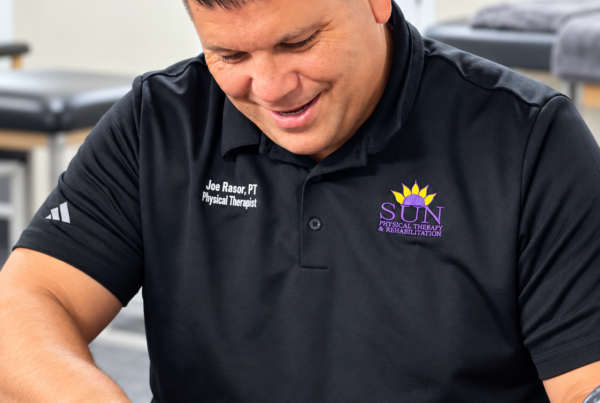
The effectiveness of any physical therapy program ultimately depends on the expertise of the provider. At Sun Pain Management, patients work with Joe Rasor, a licensed physical therapist with over 25 years of experience in complex rehabilitation.
His clinical approach is both thorough and practical. Rather than applying a one-size-fits-all model, he takes the time to understand each patient’s history, symptoms, and goals. This allows for a more precise and responsive treatment plan.
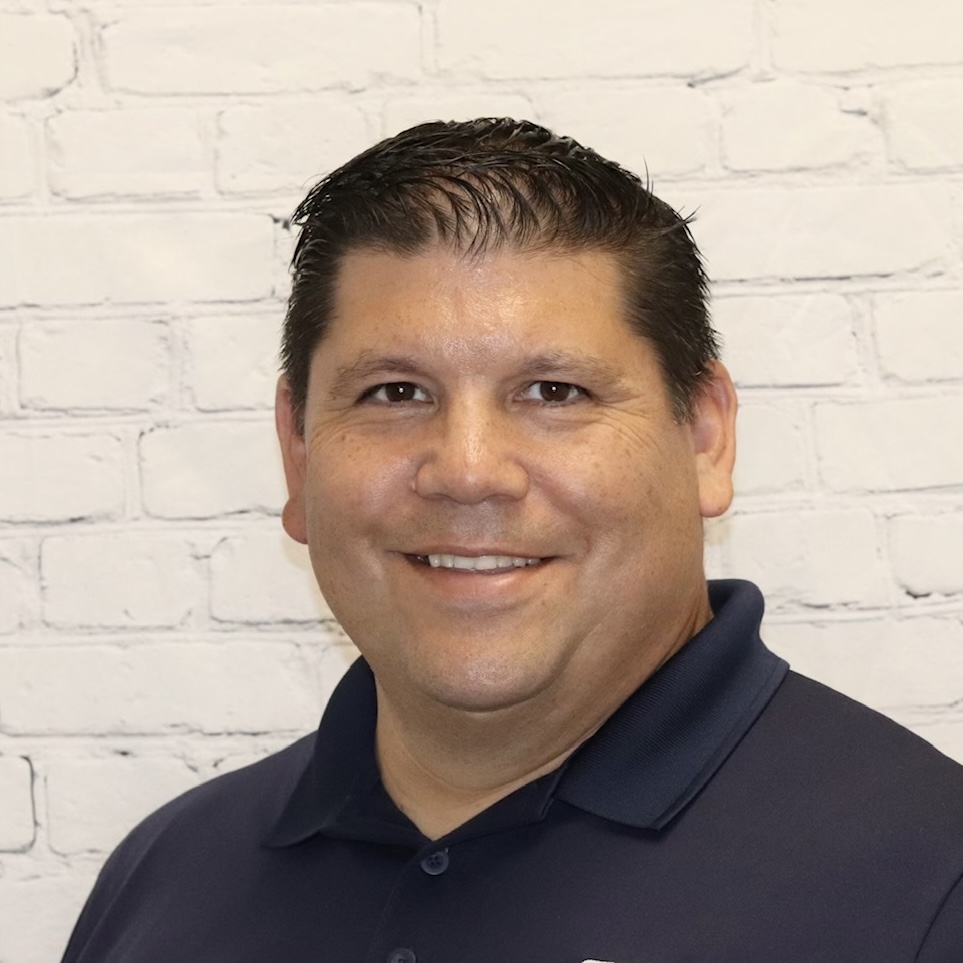
Joe Rasor – Physical Therapy Director
Patients often note that they feel genuinely heard and understood, which plays an important role in the recovery process. Trust and communication are key components of successful therapy, particularly for individuals who have struggled with persistent pain or incomplete recovery in the past.
In addition to chronic pain and post-surgical rehabilitation, Joe brings expertise in specialized areas such as pelvic floor therapy, vestibular and balance disorders, and return-to-work programs. This depth of experience ensures that patients receive care that is both comprehensive and highly targeted.
What to Expect During the Recovery Process
Recovery is rarely a straight line, and understanding this from the beginning can help set realistic expectations. In the early stages, progress may feel subtle. The focus is on building a foundation—establishing movement tolerance, reducing sensitivity, and identifying what the body responds to best.
As therapy continues, improvements become more noticeable. Patients often report increased confidence in movement, reduced discomfort during daily activities, and a gradual return of strength. This phase reflects the cumulative effect of consistent, well-structured treatment.
Over time, the emphasis shifts toward independence. Patients are guided in developing home exercise routines and self-management strategies that allow them to maintain progress outside of the clinic. The goal is not to create dependency on therapy, but to empower patients with the tools they need for long-term success.
For some individuals, particularly those with complex or ongoing conditions, periodic support may still be beneficial. In these cases, care plans are adjusted to provide continued guidance without disrupting independence.
Start Your Recovery with a Specialized Approach
Choosing the right physical therapy program can make a significant difference in your recovery journey. Chronic pain and post-surgical rehabilitation require more than standard protocols—they require a thoughtful, individualized approach that adapts to your body and your goals.
At Sun Pain Management, physical therapy is designed to meet that need. By combining clinical expertise, personalized care, and a focus on long-term outcomes, patients are given the opportunity to move beyond limitations and regain control of their health.
If you are ready to take the next step, scheduling an evaluation is the best place to begin. This initial assessment provides a comprehensive understanding of your condition and lays the foundation for a treatment plan tailored specifically to you.
Sun Physical Therapy – (602) 314-4552
Your recovery is not just about reducing pain—it’s about restoring the quality of life you deserve.